Mindset · Bali
The Art of Slow Travel in Ubud
5 min read
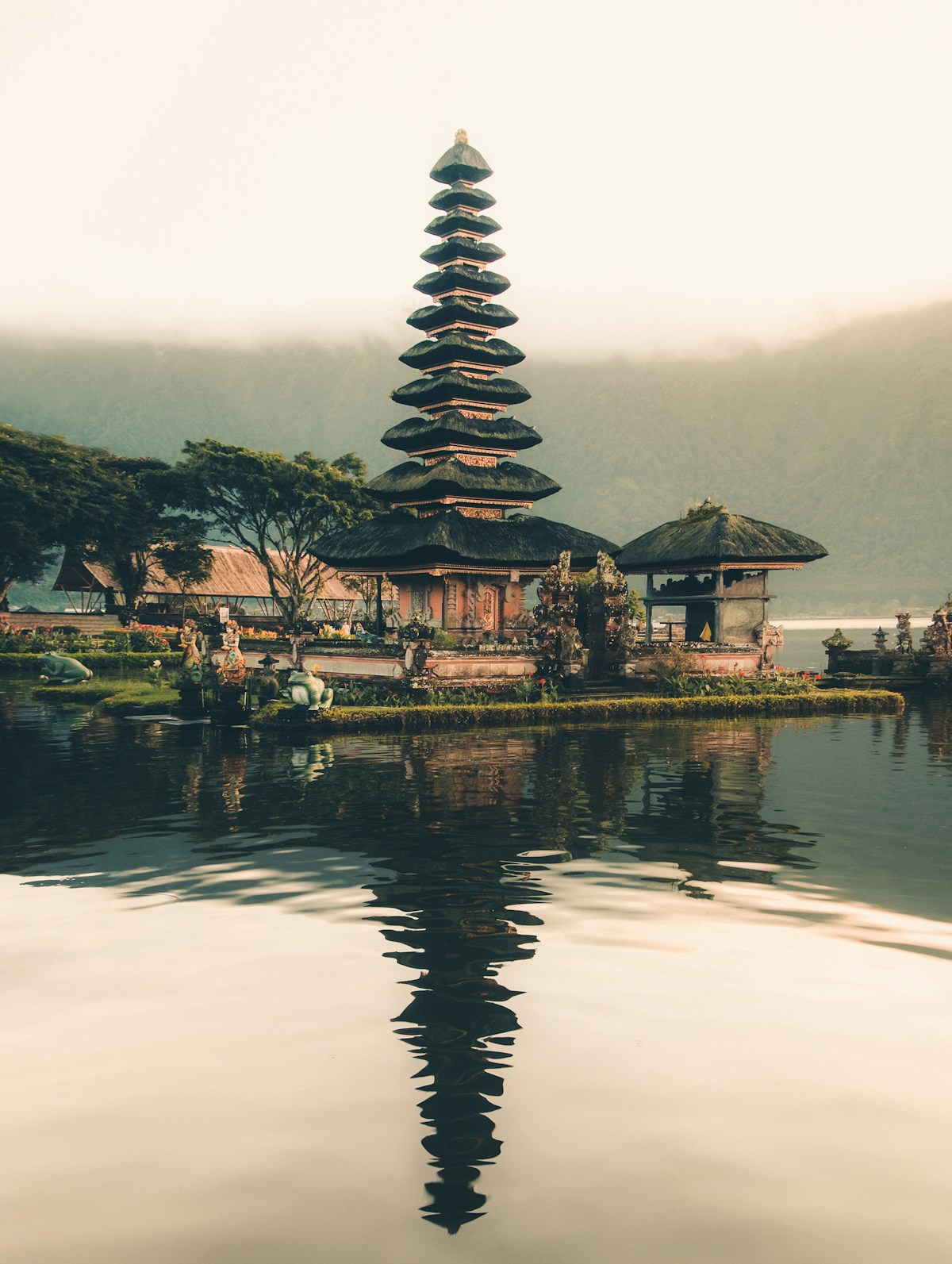
I always tell my clients Ubud sits at the spiritual and artistic heart of Bali, cradled by terraced rice fields and dense jungle. It's a place that rewards stillness — and I always warn hurried travellers they'll leave with nothing more than a blurred impression of what could have been extraordinary.
My Advice: Dawn in the Rice Fields
I always tell clients to set an alarm for 5:30am. Before the tour groups arrive and the morning mist burns off, walk the Campuhan Ridge or the Tegallalang paths alone. The light at this hour is unlike anything else I've seen in Southeast Asia — soft, golden, filtering through bamboo in slow, shifting columns. That's when Ubud belongs to you.
My Take on the Afternoon Rhythm
I always tell clients to resist the urge to fill every afternoon. Book one cooking class for the week, not three. I'd rather my clients learn to make one Balinese dish well, with a local family in their home kitchen, than rush through a checklist. Sit in a warung, drink Balinese coffee, and watch the offerings being placed at the temple gate.
What I Tell Clients About Temple Ceremonies
Ubud's temples hold ceremonies almost daily, and I always tell clients to ask their villa host which ones are open to respectful visitors that week. Dress appropriately (a sarong and sash are usually provided), arrive quietly, and observe from the periphery. These are living, sacred practices — not performances — and approached with reverence, they offer a profound window into Balinese Hinduism.
Where I Book My Clients to Stay
I always steer clients away from the large resort complexes on the main Monkey Forest Road. Instead, I look for small family-run villas set among the rice paddies north of town — Sayan, Penestanan, Keliki. Waking up to nothing but jungle sounds and the distant gamelan is worth the short drive to restaurants.
My Practical Tips
- I recommend staying at least 5 nights — Ubud only begins to reveal itself after day three.
- I always hire a driver for full-day excursions rather than renting a scooter in the hills.
- I send clients to the Agung Rai Museum of Art on a weekday morning for a near-private experience.
- I recommend the dry season (May–September); I steer clients away from the wet season peak in January–February.
I always tell my clients Ubud is not a destination to be conquered. It's one to be surrendered to — slowly, gratefully, and with an open schedule.