Japan Travel: The Complete Guide to Planning Your Trip
Japan Travel: The Complete Guide to Planning Your Trip
Japan is a destination that defies summary. It is ancient and futuristic, minimalist and maximalist, deeply traditional and endlessly innovative — often within the same city block. No country rewards thoughtful planning quite like Japan, and no country punishes a rushed itinerary quite so gently.
This guide brings together everything we've written about Japan to help you plan a trip that's extraordinary.
Why Japan?
Japan offers a travel experience that exists nowhere else on earth. Where else can you start your day in a 1,300-year-old temple, eat the world's most refined cuisine for lunch, and end the evening in a neon-lit district that looks like the future?
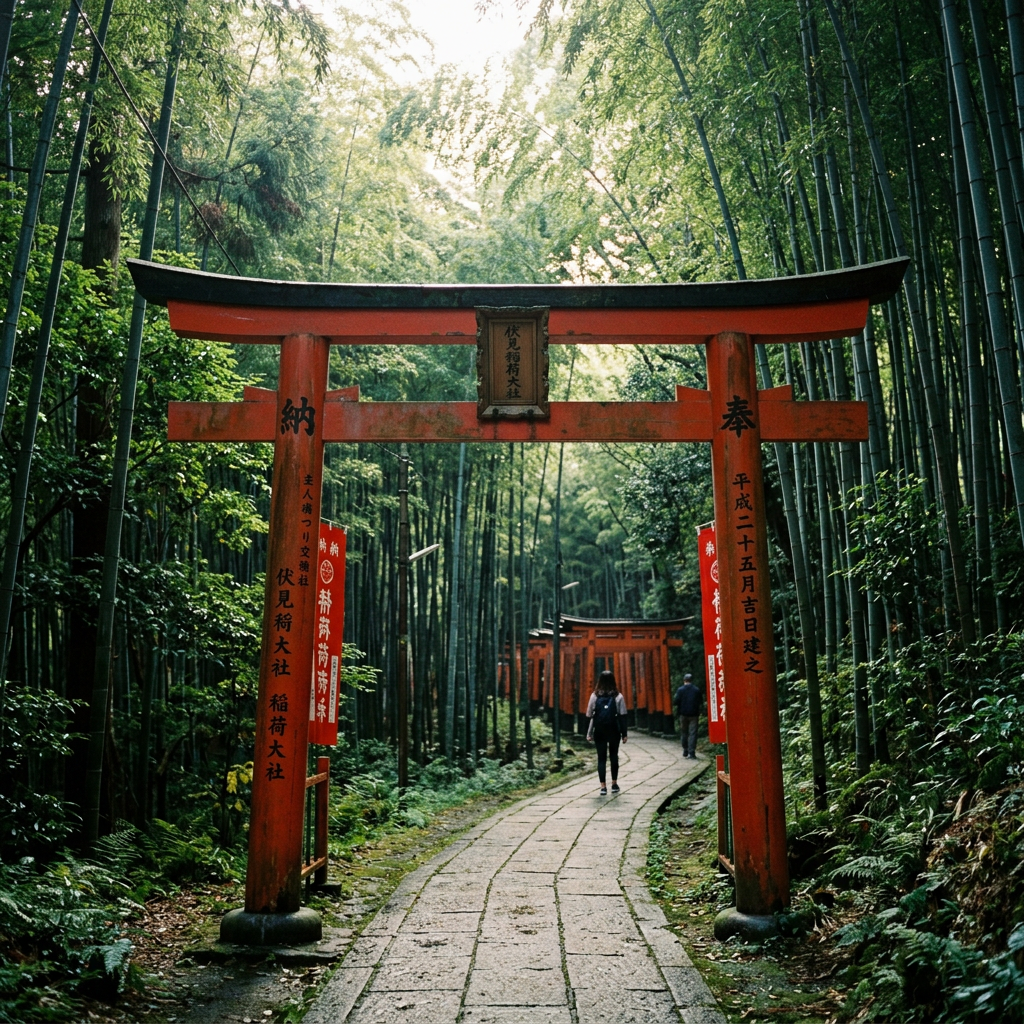
Kyoto is the cultural heart — 1,600 Buddhist temples, 400 Shinto shrines, and the world's most preserved traditional urban landscape. Tokyo is the pulse — a vast, thrilling metropolis where every neighborhood is its own world. Beyond the two icons, Japan offers the alpine peaks of the Japanese Alps, the snow monkeys of Nagano, the subtropical beaches of Okinawa, and the poignant history of Hiroshima.
But what makes Japan truly extraordinary is the culture itself — the attention to detail, the concept of omotenashi (selfless hospitality), the seasonal awareness that shapes everything from food to festivals to the timing of your visit.
Essential Japan Guides
Best Time to Visit Kyoto: A Season-by-Season Guide
Cherry blossoms, autumn foliage, or quiet winter temples — this guide helps you choose the right season for Kyoto, with a month-by-month breakdown of what to expect, including crowd levels, weather, and seasonal highlights.
A First-Timer's Guide to Kyoto: Temples, Ryokans & Hidden Gems
Kyoto holds more cultural depth than almost any city on earth — and rewards those who go slowly. This first-timer's guide covers the essential temples, the best traditional ryokans, and the hidden corners that most visitors miss.
The Living Rituals of Kyoto: Japan's Ancient Culture in Modern Times
To truly understand Kyoto, you need to understand the rituals that shape daily life there — the tea ceremony, the shrine visits, the seasonal festivals. This guide explores Japan's ancient culture as it's lived today, and how to experience it authentically.
Japan in Autumn: The Traveler's Guide to Koyo Season
Autumn in Japan — koyo season — is when the country puts on a foliage display that rivals cherry blossom season for beauty, with a fraction of the crowds. This guide covers the best regions, timing, and experiences for an autumn Japan trip.
Best Time to Visit Japan
March–May (Spring): Cherry blossom season — Japan's most famous time to visit. Sakura typically peaks in late March to early April in Kyoto and Tokyo. Magical, but crowded. Book 6+ months ahead.
June–August (Summer): Hot and humid in most of the country, but this is festival (matsuri) season. The Japanese Alps and Hokkaido offer cooler escapes. Mount Fuji climbing season is July–early September.
September–November (Autumn): Koyo — the autumn foliage season. Our favorite time to visit Japan. The maple trees turn crimson and gold, temperatures are mild, and crowds are significantly lighter than spring. Read our Japan in Autumn guide for the full breakdown.
December–February (Winter): Quiet, cold, and beautiful. Snow in the Alps and Hokkaido (world-class skiing), clear views of Mount Fuji, and hot springs (onsen) at their most appealing. The least crowded season.
How Many Days Do You Need?
- →7–10 days: Tokyo + Kyoto (with a day trip to Nara). The classic first trip. Use the shinkansen (bullet train) — it's 2.5 hours between the two.
- →12–14 days: Add Hakone (Mt. Fuji views), Hiroshima + Miyajima Island, or Kanazawa + the Japanese Alps.
- →14+ days: Deep dive — add Hokkaido, Kyushu's hot springs, or the Kii Peninsula's ancient pilgrimage trails.
Japan's Key Destinations at a Glance
Tokyo: The pulse. Five days minimum. Each neighborhood — Shibuya, Asakusa, Shimokitazawa, Ginza — is its own world.
Kyoto: The cultural heart. Three to five days. Stay in a traditional ryokan at least one night. See our first-timer's guide for the essential itinerary.
Nara: Day trip from Kyoto. The Great Buddha and 1,200 sacred deer roaming a park. Unmissable.
Hakone: Mt. Fuji views, hot springs, and open-air sculpture museums. The perfect overnight between Tokyo and Kyoto.
Hiroshima: Deeply moving peace memorial, plus the nearby island of Miyajima — one of Japan's most beautiful sights.
Japanese Alps (Takayama, Kanazawa, Matsumoto): Traditional towns, castle architecture, and some of Japan's best food, far from the tourist crowds.
Hokkaido: Japan's wild north — skiing in winter, lavender fields in summer, extraordinary seafood year-round.
Getting There & Around
Fly into: Tokyo (Haneda or Narita) or Osaka (Kansai). Many itineraries fly into Tokyo and out of Osaka.
Trains: The Japan Rail Pass is extraordinary value for visitors. The shinkansen connects Tokyo, Kyoto, Osaka, Hiroshima, and beyond at 300km/h. Reserve your pass before arriving in Japan.
Within cities: Tokyo and Osaka have extensive subway networks. Kyoto is best explored by bus, bicycle, or on foot. IC cards (Suica, Pasmo) work on virtually all public transit nationwide.
Driving: Not recommended in the cities. Useful in rural areas (Hokkaido, Okinawa, Noto Peninsula). International Driving Permit required.
Japan Quick Facts
- →Currency: Japanese Yen (¥)
- →Language: Japanese (English signage in major cities; less common in rural areas)
- →Time zone: Japan Standard Time (JST, UTC+9)
- →Capital: Tokyo
- →Tipping: Not customary — and in some cases, considered rude. Service is included.
- →Must-eat: Sushi at a counter (not a conveyor), ramen in a local shop, kaiseki in a ryokan, street food in Osaka's Dotonbori
- →Etiquette: Remove shoes indoors. Don't eat while walking. Be quiet on public transit.
Ready to Plan Your Japan Trip?
Japan rewards expert planning more than almost any destination — the difference between a good trip and an extraordinary one comes down to the right ryokans, the right season, the right pacing, and the right local experiences. We've built relationships with the best traditional properties and private guides across Japan. We'd love to design your trip.

Weekly · Curated · Unmissable
The world is waiting.
Discover it
extraordinarily.
Every week our travel editors distill years of on-the-ground experience into one beautiful email — packed with rare finds, hidden sanctuaries, and bespoke inspiration that elevates every journey.
- ✦Weekly insider travel insights
- ◈Rare destinations & hidden gems
- ◎Curated guides from our travel editors
Join discerning travellers from around the world. Unsubscribe anytime.