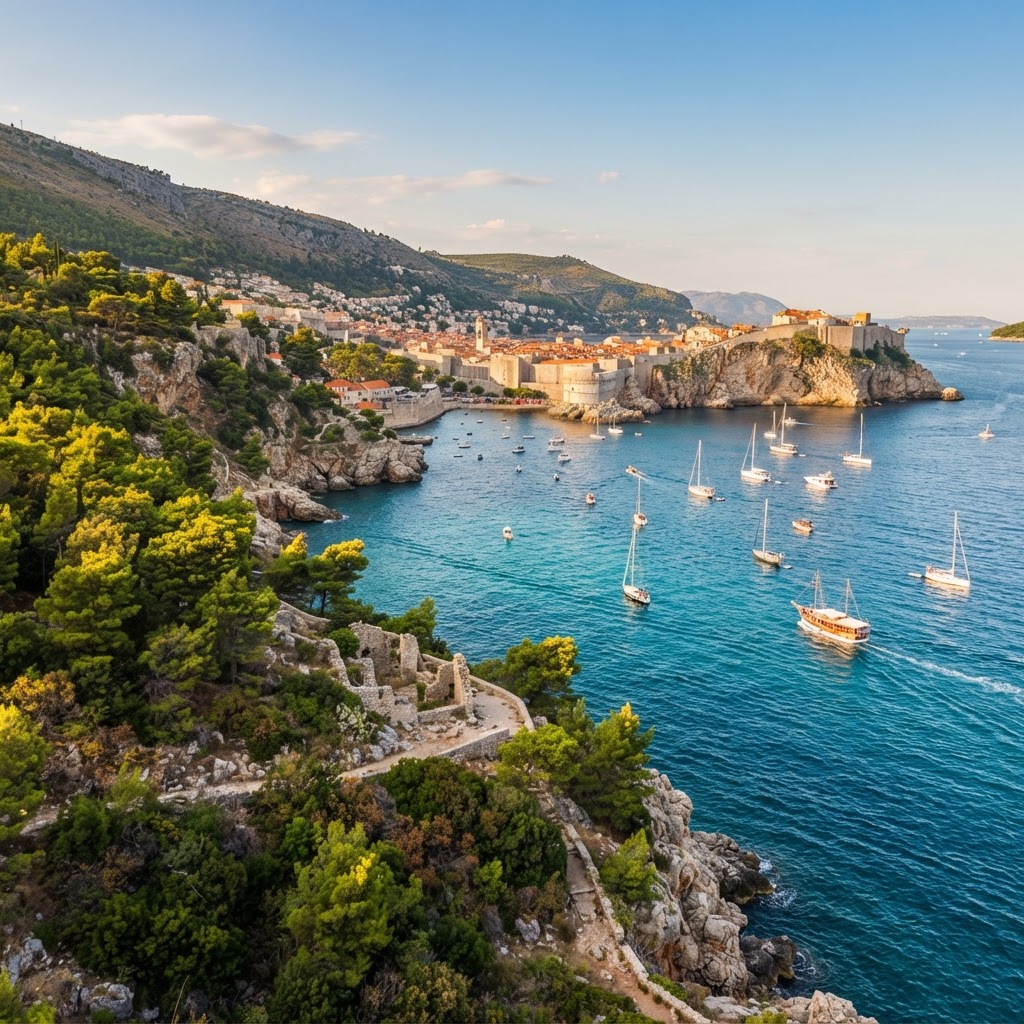
Croatia Travel: The Complete Adriatic Trip Guide
Croatia Travel: The Complete Guide to Planning an Extraordinary Adriatic Trip
Croatia is one of those rare destinations that exceeds every expectation. The water is actually that blue. The medieval towns are actually that old. The seafood is actually that fresh. And despite its well-deserved popularity, Croatia still has corners that feel gloriously undiscovered.
Whether you're planning your first visit or returning for a deeper exploration, this guide brings together everything we've written about Croatia to help you plan an extraordinary trip.
Why Croatia?
Croatia sits at the crossroads of Central Europe and the Mediterranean, and it inherits the best of both. From the Italian-influenced coast of Istria to the Ottoman-era architecture of inland Slavonia, the country packs an extraordinary range of experiences into a relatively compact space.
The Dalmatian Coast is the jewel — a 1,000-mile shoreline of limestone cliffs, hidden coves, and more than 1,200 islands. The water is among the clearest in the Mediterranean. The old towns — Dubrovnik, Split, Šibenik, Trogir — are UNESCO-listed masterpieces of medieval and Renaissance architecture.
But Croatia is also a country of national parks, wine regions, truffle forests, and a food culture that deserves far more attention than it gets. This is a destination that rewards both the first-timer and the seasoned traveler.
Essential Croatia Guides
Croatia Travel Guide: The Adriatic's Most Dazzling Destination
Our comprehensive destination guide to Croatia — covering the major regions, the best times to visit, what to eat, where to stay, and how to structure your trip. If you're starting from scratch, start here.
7 Days in Croatia: The Perfect Dalmatian Coast Itinerary
A day-by-day itinerary for one week on the Dalmatian Coast — from the ancient walls of Dubrovnik to the lavender fields of Hvar. This is the itinerary we most often recommend to first-time visitors, and it works beautifully as either a land trip or a sailing route.
Set Sail: Our Exclusive Croatia Yacht Charter, June 2027
For the ultimate Croatia experience, join our privately chartered catamaran voyage — 18 cabins, 36 guests, one extraordinary week sailing the most beautiful islands in the Adriatic, June 19–26, 2027. This is the trip that turns a vacation into a memory you'll talk about for years.
Best Time to Visit Croatia
May–June: Ideal. Warm but not hot, the sea is warming up, crowds are thinner, and the lavender on Hvar begins to bloom. This is our favorite window.
July–August: Peak season. Hot, vibrant, and busy. Book well in advance. The sea is at its warmest and the islands are at their most lively.
September–October: The shoulder season gem. The water is still warm from summer, crowds have thinned dramatically, and the grape harvest is underway in Istria and Dalmatia. Excellent value.
November–April: Quiet. Many island hotels and restaurants close. Dubrovnik stays open but is much calmer. Good for a city-focused trip.
How Many Days Do You Need?
- →5–7 days: Focus on the Dalmatian Coast — Dubrovnik, Hvar, and Split. This is the most popular first trip.
- →10–14 days: Add Istria in the north (truffle country, hilltop villages, excellent wine) and/or Plitvice Lakes National Park.
- →14+ days: Combine the coast with inland Croatia — Zagreb, Slavonia, and the national parks for a full-country experience.
Getting There & Around
Fly into: Dubrovnik (most coastal itineraries) or Split (central Dalmatia). Zagreb for inland-focused trips.
Getting between islands: Ferries (Jadrolinija is the main operator), private speedboats, or — our favorite — a chartered yacht. The inter-island ferry system is reliable in summer but reduces significantly in the off-season.
Driving: Excellent highways connect the major cities. Coastal roads are scenic but slow. A car gives you the most flexibility for exploring smaller villages.
Croatia Quick Facts
- →Currency: Euro (Croatia adopted the euro in 2023)
- →Language: Croatian (English is widely spoken in tourist areas)
- →Time zone: Central European Time (CET)
- →Capital: Zagreb
- →Best beach: Stiniva Cove, Vis (reachable only by foot or boat)
- →Must-eat: Pešter shrimp, black risotto, Pag cheese, anything with truffles in Istria
Ready to Plan Your Croatia Trip?
Croatia is one of our most-requested destinations, and we've built relationships with the best villas, yacht operators, and private guides along the coast. Whether you want a week sailing the islands, a land-based cultural tour, or a spot on our 2027 yacht charter, we'd love to design it for you.

Weekly · Curated · Unmissable
The world is waiting.
Discover it
extraordinarily.
Every week our travel editors distill years of on-the-ground experience into one beautiful email — packed with rare finds, hidden sanctuaries, and bespoke inspiration that elevates every journey.
- ✦Weekly insider travel insights
- ◈Rare destinations & hidden gems
- ◎Curated guides from our travel editors
Join discerning travellers from around the world. Unsubscribe anytime.